




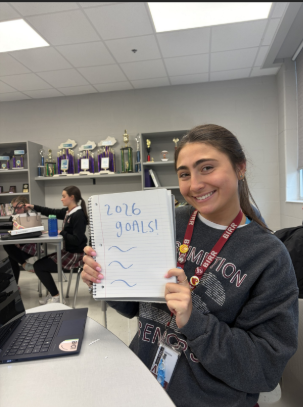



Often, I feel that nothing I do is right.
How does that statement make you feel? Relatable, sure. Maybe you feel a little sad, wanting to affirm me. Or do you resent me, even just a little, teensy bit? There is a pattern in our society that has structured our response to others’ pain by a scaling system, even factoring our own experiences into an ever-growing scale of all the pain we’ve come to know and how it fits into our picture of the world. Our brain, accompanied by societal ideas, leads us in so many different directions when it comes to things like justice, kindness, and responsibility as they apply to pain. Suffering is normal, unfortunately, and it has a seriously wide scope. As human beings, we experience both personal pain and what I like to call “second-hand pain” through empathy when we have to watch others suffer. Where the trouble begins, however, is when we begin to rank the validity of the things which hurt us on a scale of everything that’s hurt everyone.
For example, say you had a really bad day at school. You stayed up too late doing dishes for your mom, who’s recently had surgery, and you failed a big biology test. Now your car won’t start and you’re feeling pretty sorry for yourself. All you want is for someone to acknowledge the things your going through, to have mom comfort you and help you get through the day. But, while waiting for your Uber, you open social media to find videos of neighborhoods wrecked in Florida by a hurricane. Dozens of people are left with nothing, and suddenly, you feel intensely guilty about ever feeling sorry for yourself. And that’s how you should feel right? Pity for those people in Florida and guilty at your selfishness and privilege to be able to go home tonight. But when the next day comes, your friend is sad she failed the test. You want to comfort her, but instead you say:
“It’s really not a big deal. People in Florida lost their houses in a hurricane yesterday, at least THAT didn’t happen.”
Alright maybe you didn’t say it exactly like that. But because of the pattern developed in our brains to only hold space for the worst pain we can imagine, we strip the validity from our own hurts, actually KEEPING us from moving on. Your sadness for your hard day can exist simultaneously with a sentiment for those in Florida. Moreover, you can let gratefulness lead your mind to take action to create change for them through supporting a drive or making a post to bring awareness, both things much more useful than guilty feelings.
Access to the tragedies in our world holds power, but also risk. Unacknowledged pain festers resentment, as the energy typically spent empathizing with others gets all used up punishing ourselves for feeling bad when others have it worse. It’s not the pain Olympics. This world needs more listeners, whether it’s listening to the stories on the news and finding ways to help, listening to a friend and affirming them in time of struggle, or even making time to listen to yourself and acknowledge that things you’ve been through are real too. Because it’s not just pain this cycle affects, but also appearance, accomplishment, and all the other aspects of life that can feel impossible to “do right”. You don’t have to be an open-book to give yourself just a little grace. You just have to listen.